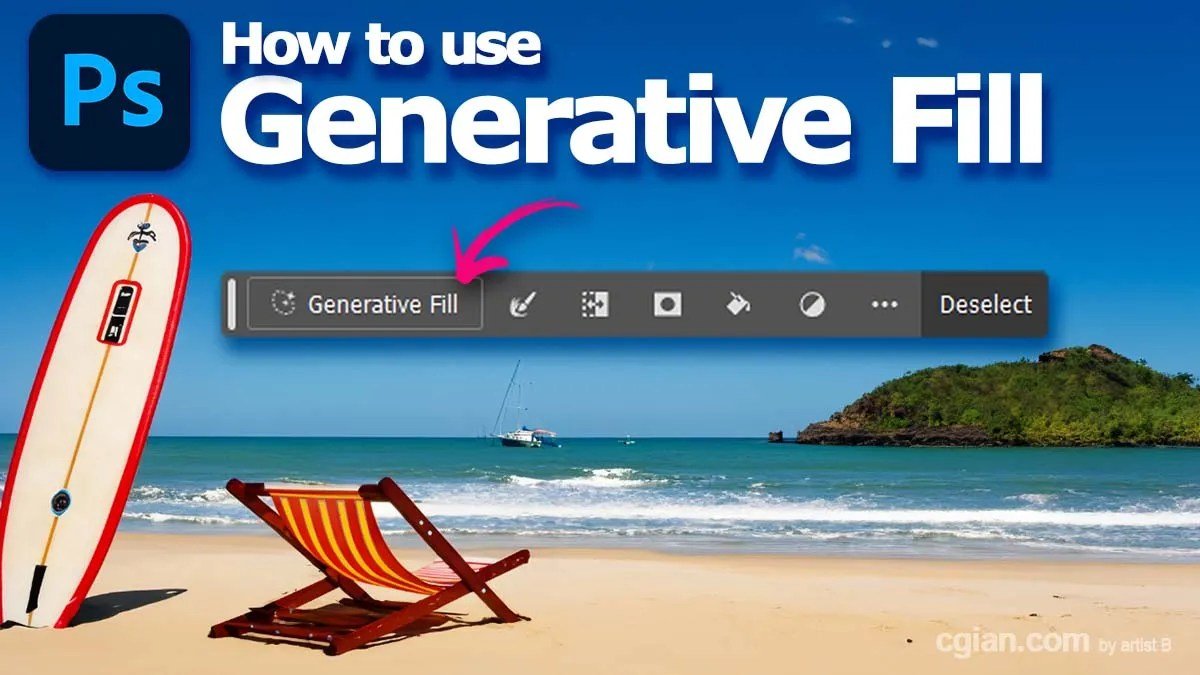
Generative Fill, Photoshop’s groundbreaking AI feature, promises to transform how we interact with images, offering unparalleled power to expand, enhance, and create with remarkable ease. But for many, especially those navigating the complexities of non-standard software installations, getting this powerful tool up and running can feel like a labyrinth. This guide cuts through the confusion, providing clear, Step-by-Step Activation Guides for Generative Fill (Host File & Patch Methods), so you can unleash its full potential.
At a Glance: Your Path to Generative Fill
- Understand Generative Fill: It's an AI tool that sends data to Adobe's servers for processing, generating content on a non-destructive Generative Layer.
- Activation Necessity: Generative Fill requires server access and proper licensing, which non-standard installations might block.
- Two Primary Methods: We'll cover both the Host File modification and the use of patch utilities.
- Preparation is Key: Back up your system, disconnect from the internet, and disable antivirus temporarily before attempting activation.
- Host File Method: Manually block Adobe server connections by editing your system's host file.
- Patch Method: Use third-party tools to automate the activation process.
- Verification: Confirm successful activation by performing a simple generative fill operation.
- Mastering Generative Fill: Learn how to extend, add elements, and refine AI-generated content for professional results.
- Ethical Considerations: Be aware of the implications regarding licensing, data use, and content disclosure.
Why Generative Fill Isn't Just Another Feature
Imagine extending a photo's background with a natural-looking landscape that was never there, adding a specific object seamlessly, or removing distractions with a brush stroke – all while matching lighting, perspective, and style. That's the magic of Photoshop's Generative Fill. This AI-powered marvel analyzes image context, sending data to Adobe's servers, then generates content that blends so seamlessly it often feels indistinguishable from the original. Unlike traditional editing, it works non-destructively, creating content on its own "Generative Layer" with a built-in mask, meaning your original image remains untouched.
Alongside the precision of the Remove Tool for minor cleanups, Generative Fill truly represents a leap forward in image manipulation. It’s a tool that provides three unique variations for each prompt, thrives on high-resolution images, and responds directly to the clarity and specificity of your text descriptions.
Understanding the Activation Conundrum
The reason Generative Fill often requires specific activation steps, especially for users not on a standard Adobe Creative Cloud subscription, lies in its fundamental operation. Unlike many Photoshop features that run entirely locally on your computer, Generative Fill operates by temporarily sending file data to Adobe's AI servers via the Internet. This server-side processing is crucial for the AI's power and typically takes 10-15 seconds per generation.
For standard, licensed installations, this server communication happens seamlessly. However, if your Photoshop installation isn't fully licensed through official channels, or if certain system configurations are blocking Adobe services, you'll encounter a greyed-out Generative Fill option or an error message. The host file and patch methods aim to resolve this by either allowing the necessary server communication or by bypassing the license check, making Generative Fill functional. Many users wonder how to even begin this process, often searching for details on how to Activate Generative Fill in cracked Photoshop effectively.
Crucial Pre-Activation Checks and Preparations
Before you dive into modifying system files or running third-party utilities, a bit of preparation goes a long way. This isn't just about smooth sailing; it's about safeguarding your system and ensuring the activation process can complete without interruption.
1. Back Up Your System (Seriously!)
Whenever you're altering system files or running executables that modify software, there's a slim chance of unintended consequences.
- For Windows: Create a System Restore Point. Search for "Create a restore point" in the Windows search bar, go to the "System Protection" tab, and click "Create...".
- For macOS: Use Time Machine to create a fresh backup before proceeding.
2. Disconnect from the Internet
This step is vital for most activation methods, especially those involving patches or host file modifications that might temporarily expose your system. Disconnecting prevents your software from "phoning home" to Adobe servers during the critical activation phase. Simply turn off your Wi-Fi, unplug your Ethernet cable, or enable Airplane Mode.
3. Temporarily Disable Antivirus/Firewall
Antivirus software and firewalls are designed to protect you from unauthorized changes. However, this protective instinct can interfere with legitimate (in the context of these methods) activation steps.
- Locate your antivirus software in the system tray or taskbar.
- Right-click and find an option like "Disable temporarily," "Pause protection," or "Exit."
- Remember to re-enable it after the entire activation process is complete and you've reconnected to the internet.
4. Ensure Photoshop is Closed
Make sure Photoshop, and any other Adobe applications, are completely closed before you begin. Check your Task Manager (Windows: Ctrl+Shift+Esc) or Activity Monitor (macOS: Command+Space, search for Activity Monitor) to confirm no related processes are running in the background.
Method 1: The Host File Tweak
The host file is a plain text file in your operating system that maps hostnames (like activate.adobe.com) to IP addresses. When you type a website address, your computer first checks the host file. If it finds an entry, it uses that IP address; otherwise, it queries a DNS server. By adding specific Adobe server addresses to your host file and directing them to a non-existent IP (like 127.0.0.1, your own computer), you can effectively block Photoshop from communicating with Adobe's licensing and generative fill servers. This can sometimes trick the local software into believing it's properly licensed or prevent it from validating its online components.
How the Host File Method Works
This method essentially acts as a local firewall, preventing your Adobe applications from reaching specific Adobe servers. This is often used to prevent license checks or, in the case of Generative Fill, to ensure its online components aren't blocked by a conflicting server response. The key is to direct known Adobe server addresses to your local machine (127.0.0.1), preventing them from communicating externally.
Step-by-Step Guide for Modifying Your Host File
For Windows Users:
- Open Notepad as Administrator:
- Click the Windows Start button.
- Type "Notepad" into the search bar.
- Right-click on "Notepad" in the search results.
- Select "Run as administrator." This is crucial, as you need elevated permissions to edit the host file.
- Open the Host File:
- In Notepad, go to
File > Open. - Navigate to
C:\Windows\System32\drivers\etc. - In the "File name" field at the bottom, change "Text Documents (.txt)" to "All Files (.*)" to see the
hostsfile. - Select the
hostsfile and click "Open."
- Add Adobe Server Entries:
- Scroll to the very bottom of the
hostsfile. - Add the following lines. It's good practice to add a comment (starting with
#) to remind yourself why these lines are there.
Adobe Generative Fill Activation Blocks
127.0.0.1 activate.adobe.com
127.0.0.1 ereg.adobe.com
127.0.0.1 ereg.wip3.adobe.com
127.0.0.1 wip3.adobe.com
127.0.0.1 lmlicenses.wip4.adobe.com
127.0.0.1 lm.licenses.adobe.com
127.0.0.1 na1r.services.adobe.com
127.0.0.1 hlrcv.stage.adobe.com
127.0.0.1 practivate.adobe.com
127.0.0.1 activate.wip4.adobe.com
127.0.0.1 na2m-pr.licenses.adobe.com
127.0.0.1 licenses.adobe.com
127.0.0.1 adobeereg.com
127.0.0.1 ccmdls.adobe.com
127.0.0.1 ocos.adobe.com
127.0.0.1 generative-ai.adobe.com
- Important: The exact list of servers can change over time. These are commonly used ones. Some users find that simply adding
127.0.0.1 generative-ai.adobe.comis sufficient if the primary issue is just Generative Fill, but the more comprehensive list offers broader protection against license checks.
- Save the Host File:
- Go to
File > Save. Do NOT use "Save As." If you opened Notepad as administrator, it should save directly without issues. If it prompts you to "Save As," you likely didn't open it with administrator privileges, and you'll need to restart the process.
- Flush DNS Cache (Recommended):
- This clears your computer's DNS cache, forcing it to read the updated host file.
- Open Command Prompt as Administrator (Search for "cmd", right-click, "Run as administrator").
- Type
ipconfig /flushdnsand press Enter. You should see a confirmation message.
For macOS Users:
- Open Terminal:
- Go to
Applications > Utilities > Terminal.
- Open the Host File with Nano Editor:
- Type
sudo nano /etc/hostsand press Enter. - Enter your administrator password when prompted. (Note: Typing password won't show characters, just type and press Enter).
- Add Adobe Server Entries:
- Use the arrow keys to navigate to the bottom of the file.
- Add the same lines as provided for Windows users (starting with
127.0.0.1).
- Save and Exit:
- Press
Ctrl+Oto write out (save). PressEnterto confirm the file name. - Press
Ctrl+Xto exit the Nano editor.
- Flush DNS Cache (Recommended):
- Type
sudo dscacheutil -flushcache; sudo killall -HUP mDNSResponderand press Enter. - Enter your administrator password if prompted.
Pros and Cons of the Host File Method
Pros:
- Simple and Transparent: You're directly modifying a system file, making it clear what changes are being made.
- No Third-Party Software: Doesn't require downloading and trusting external executables.
- Reversible: You can easily remove the added lines from the host file if needed.
Cons: - Manual Effort: Requires precise manual editing.
- Requires Admin Rights: You need administrator access to your system.
- May Not Always Be Sufficient: Adobe constantly updates its server addresses. A list that works today might miss new servers tomorrow, requiring updates.
- Can Impact Other Adobe Services: Blocking these servers might interfere with legitimate Creative Cloud updates or other online Adobe features if you use them.
Troubleshooting the Host File Method
- Generative Fill Still Greyed Out: Double-check that you saved the host file correctly as an administrator. Ensure there are no typos in the IP addresses or server names. Flush your DNS cache again.
- "Access Denied" When Saving: You did not open Notepad (Windows) or Terminal with administrator/sudo privileges. Close, and reopen correctly.
- Other Adobe Apps Not Working: The host file entries might be too aggressive. Try commenting out specific lines (by adding
#at the beginning of the line) to identify the culprit, or try a more minimal list if you suspect this.
Method 2: The Patch Utility Approach
Patch utilities are third-party software tools designed to modify an application's executable files or system libraries to bypass licensing checks or unlock specific features. For Generative Fill, a patch might directly alter Photoshop's code to enable the feature without requiring server validation, or it might simulate a successful server response.
How the Patch Method Works
These utilities typically perform automated actions that would be complex or impossible for a user to do manually. They often involve:
- Modifying Executables: Changing specific bytes in Photoshop's core files.
- Injecting DLLs/Libraries: Adding custom code that intercepts communication with Adobe servers or modifies behavior.
- Automating Host File Changes: Some patches might even include host file modifications as part of their process.
Step-by-Step Guide for Using a Patch Utility
Disclaimer: Using third-party patch utilities carries inherent risks, including malware infection and system instability. Always source these tools from reputable communities and proceed with caution. This guide outlines the general process, as specific patch tools will have their own interfaces and instructions.
- Source a Reliable Patch Utility:
- This is the most critical step. Search trusted forums, communities, or software distribution sites that are known for providing such tools. Be extremely wary of suspicious websites or direct downloads without community vetting.
- Prioritize Safety: If you're unsure about a source, it's safer not to proceed.
- Download and Scan:
- Download the patch utility. Before extracting or running it, scan the downloaded file with your antivirus software (even if you plan to disable it later). Many patch tools are flagged as "Potentially Unwanted Programs" (PUPs) due to their nature, but a clean scan for known malware is essential.
- Disconnect from the Internet & Disable Antivirus:
- As with the host file method, it's crucial to disconnect from the internet and temporarily disable your antivirus/firewall before running the patch. This prevents interference and "phoning home."
- Extract the Patch (if compressed):
- If the patch is in a ZIP, RAR, or other archive format, extract its contents to a simple, easy-to-access folder (e.g., your Desktop).
- Run the Patch Utility:
- Locate the executable file (e.g.,
.exefor Windows, possibly a.dmgor script for macOS) within the extracted folder. - Run as Administrator (Windows): Right-click the executable and select "Run as administrator."
- macOS: Double-click the application or script.
- Follow the on-screen instructions of the patch utility. This might involve:
- Selecting your Photoshop installation directory.
- Clicking an "Activate," "Patch," or "Generate" button.
- Waiting for a confirmation message.
- Re-enable Antivirus and Reconnect to Internet:
- Once the patch reports successful completion, re-enable your antivirus software and reconnect to the internet.
- Launch Photoshop and Verify:
- Open Photoshop and test Generative Fill (see "Verifying Your Generative Fill Activation" section below).
Pros and Cons of the Patch Utility Method
Pros:
- Automated: Often requires less manual intervention than editing the host file.
- Potentially More Comprehensive: Can address multiple activation hurdles beyond just server communication.
- User-Friendly: Many patches are designed with simple graphical interfaces.
Cons: - Security Risk: Downloading and running unknown executables is inherently risky and can expose your system to malware.
- Trust Required: You must trust the source and developer of the patch tool.
- Potential for Instability: Poorly designed patches can corrupt your Photoshop installation or lead to system instability.
- Legality Concerns: Using such tools often violates software licensing agreements.
- Updates Can Break It: Photoshop updates can easily render a patch ineffective, requiring you to find and apply a new one.
Safety Warnings for Patch Utilities
- Malware Risk is Real: Many "cracks" and "patches" are Trojan horses for viruses, ransomware, or spyware. Only use sources you absolutely trust, and always scan files.
- Antivirus Detections: Antivirus software often flags patch utilities as malicious. While sometimes this is a false positive (because they modify other software), it's a legitimate warning that needs careful consideration.
- System Integrity: An improperly applied patch can corrupt your Photoshop installation, forcing a complete reinstall.
Verifying Your Generative Fill Activation
After performing either the host file modification or running a patch utility, the moment of truth arrives: checking if Generative Fill is actually working. The best way to do this is to attempt a simple generative operation within Photoshop.
Let’s quickly walk through how to extend an image, which is one of the most straightforward ways to test the functionality:
How to Extend an Image with Generative Fill (Verification Step)
- Launch Photoshop: Open the application.
- Open an Image: Load any high-resolution image into Photoshop (File > Open).
- Expand Canvas:
- Select the Crop Tool (shortcut 'C').
- In the Options Bar at the top, set the aspect ratio to 'Ratio' and ensure Width and Height fields are blank.
- Drag a crop border handle (e.g., left or right) outward to expand the canvas in your desired direction, leaving a blank area.
- Press 'Enter' (or 'Return') to apply the canvas expansion.
- Select New Area:
- Select the Rectangular Marquee Tool (shortcut 'M').
- Draw a selection around the newly added canvas space. Crucially, ensure this selection slightly overlaps the edge of your original image for a seamless blend later.
- Activate & Generate:
- Ensure the Contextual Task Bar is visible (Window > Contextual Task Bar). If Generative Fill is working, you should see the 'Generative Fill' button available.
- Click the 'Generative Fill' button in the Contextual Task Bar.
- To seamlessly extend the existing image, leave the text prompt field blank.
- Click 'Generate' again to initiate the AI content creation.
- Review Variations:
- If successful, Photoshop will process the request (typically 10-15 seconds) and present three unique variations in the Properties Panel. Browse them by clicking their thumbnails.
If you see these variations and they blend reasonably well, congratulations! Your Generative Fill is now active. If the 'Generative Fill' button remains greyed out or you receive an error, revisit your chosen activation method's troubleshooting steps.
Mastering Generative Fill: Beyond Activation
Now that Generative Fill is active, let's explore how to truly harness its power. The ground truth research provides excellent starting points for practical application.
Adding Anything to a Photo with Generative Fill
This is where the magic truly unfolds. You can insert objects, change backgrounds, or introduce entirely new elements into your scene.
- Open Your High-Resolution Image: Start with the best possible quality.
- Make a Precise Selection: This is key. Use tools like the Lasso, Marquee, Quick Selection, Object Selection, or Magic Wand. Refine your selection using Shift (add) or Alt/Option (subtract) or the "Select and Mask" workspace for intricate areas. A good selection gives the AI a clear boundary.
- Activate Generative Fill: Right-click your selection, choose "Generative Fill," use
Shift+Ctrl+G(Windows) /Shift+Command+G(Mac), or click the button in the contextual toolbar. - Craft Your Prompt: Be specific! "A tall pine tree with snow on its branches" is better than "tree." Include details about style, lighting ("in golden hour lighting"), and perspective ("viewed from above").
- Generate & Review: Click 'Generate' and browse the three variations in the Properties Panel. Don't be afraid to modify your prompt and generate again for better results. For complex additions, breaking them into smaller, progressive generations often yields superior control.
- Enhance Detail (If Applicable): For elements larger than 1024 pixels, hit "Enhance Detail" in the Properties Panel for added definition and sharpness.
- Refine for Seamless Integration:
- Opacity: Adjust the generated layer's opacity for subtle blending.
- Layer Styles: Add drop shadows or other styles.
- Adjustment Layers: Clip Curves or Hue/Saturation layers to match colors.
- Layer Mask: Use a soft brush to refine edges, revealing or hiding parts for a natural look.
- Filters: Apply Gaussian Blur for softening or Camera Raw Filter for overall image treatment.
Refining AI-Generated Content with the Remove Tool
Generative Fill is powerful, but sometimes it leaves minor artifacts or details you didn't want. The Remove Tool is your AI-enhanced eraser for these instances.
- New, Empty Layer: Always create a new, blank layer above your Generative Layer (click the 'Add New Layer' icon in the Layers Panel). This ensures non-destructive editing.
- Select the Remove Tool: Find it grouped with healing tools in your toolbar.
- Configure Settings: In the Options Bar, enable 'Sample All Layers' (crucial!) and 'Remove After Each Stroke'.
- Brush Away Distractions: Adjust brush size (
[and]) and brush over unwanted elements. The AI will intelligently replace the brushed area, leveraging the surrounding content.
Saving Your Masterpiece
Always save your work strategically:
- PSD: To preserve all layers for future editing.
- TIFF: High-quality, widely compatible, retains layers.
- JPEG: For web, sharing, smaller file sizes (flattens image).
- PNG: For transparent backgrounds (flattens image, retains transparency).
Overcoming Common Generative Fill Challenges
Even with activation, users encounter hurdles. Here’s a quick troubleshooting guide:
- Blurry Generations: Use "Enhance Detail" in the Properties Panel.
- Unrealistic Lighting/Perspective: Be precise in your prompt (e.g., "lit from the left," "with a dramatic perspective"). Make sure your selection respects existing perspective lines.
- Size Discrepancies: Include size references (e.g., "a small cat," "a towering skyscraper").
- Style Mismatch: Specify style (e.g., "a watercolor effect," "photorealistic").
- Color Harmony Issues: Use clipped adjustment layers to match tones.
- Edge Integration Problems: Refine the layer mask with a soft brush, feathering edges for a blend.
- Complex Scenes: Break down into multiple, smaller generative steps.
- Loss of Detail: Work with high-resolution images (e.g., 300dpi) to provide more data for the AI.
Advanced Approaches for AI Creativity
- Progressive Generation: Build complex scenes step-by-step. Generate a background, then add a main subject, then smaller details, blending each new component with what's already there.
- Using Reference Imagery: Keep reference images open in Photoshop. Use their descriptive terms in your prompts, and visually match their colors and lighting.
- Combining with Traditional Photoshop Skills: Generative Fill is a fantastic starting point. But for truly polished work, use traditional manual retouching for fine details, compositing for perfect integration, and manual shadows/highlights to ensure consistent lighting.
Ethical and Safety Considerations
While the focus here is on activating and utilizing Generative Fill, it's essential to address the broader context.
Ethical Considerations
- Disclosure: In professional or public contexts, always disclose when AI-generated content has been used. Transparency is key.
- Copyright & Licensing: Understand that using software outside of its intended licensing terms carries legal implications. The content generated by Adobe's AI is subject to Adobe's terms of service, regardless of your software's activation method.
- Deepfakes & Misinformation: Generative AI is powerful. Use it responsibly and ethically, avoiding the creation of misleading or harmful content.
Technical and Safety Limitations
- Resource Intensive: Generative operations require an internet connection and can be demanding on Adobe's servers, and by extension, your local machine during the upload/download phase.
- Consistency Challenges: Achieving perfect consistency across multiple generative fills, especially concerning lighting, perspective, and style, requires careful prompting and manual refinement.
- Updates and Compatibility: Adobe regularly updates Photoshop. Activation methods, especially patches, can become incompatible with new versions, requiring new solutions.
- Security Risks of Patches: As reiterated, patch utilities carry a significant risk of malware. Always be vigilant.
Empowering Your Creative Workflow
Whether you've successfully employed the host file method or navigated the patch utility route, gaining access to Generative Fill is a game-changer for digital artists, designers, and photographers. This isn't just a gimmick; it’s a powerful new brush in your creative toolkit.
The ability to generate content from simple text prompts, seamlessly extend canvases, and remove distractions with AI intelligence drastically speeds up workflows and opens doors to creative possibilities previously unthinkable. By understanding not just how to activate it, but how to use it effectively and responsibly, you're now equipped to take your Photoshop skills to an exciting new frontier. Go forth and create!