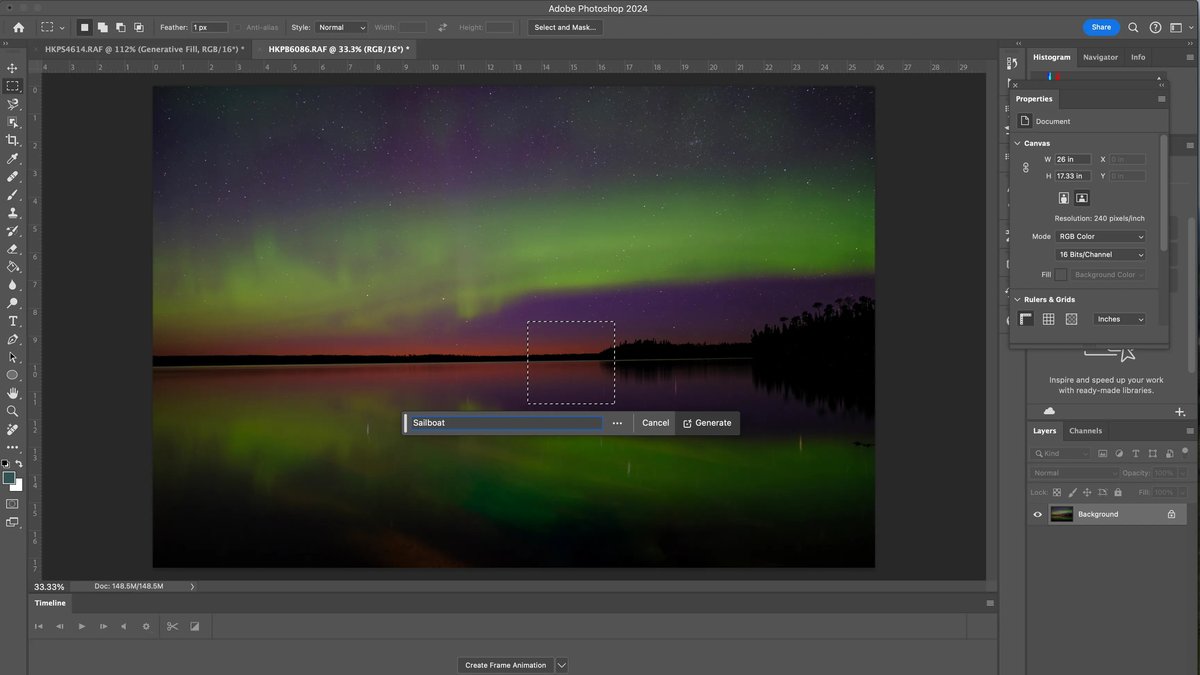
Generative Fill in Adobe Photoshop has revolutionized image editing, transforming complex tasks into simple text prompts. This AI-powered feature, driven by Adobe Firefly, offers an unprecedented level of creative freedom and efficiency, allowing users to remove objects, expand canvases, or add entirely new elements with astonishing realism. Since its rollout in 2023, it has rapidly become a cornerstone for designers, with over 73% of Photoshop users leveraging it across their creative workflows by 2025.
However, if you're navigating the world of "cracked" Photoshop versions, accessing this cutting-edge feature presents a unique set of challenges. Generative Fill relies heavily on cloud processing and an active Creative Cloud subscription, conditions that "cracked" software inherently tries to circumvent. This flagship hub will explore the intricacies of enabling Generative Fill in non-standard Photoshop installations, guiding you through the technical landscape and connecting you to in-depth resources for every step.
The Magic Behind Generative Fill: A Quick Recap
At its core, Generative Fill is Photoshop's answer to intelligent content creation. It uses descriptive text prompts to generate new image content that seamlessly blends with your existing lighting, texture, and perspective. Imagine instantly adding a serene sunset to a dull sky, extending a landscape beyond its original borders, or even removing unwanted distractions with unparalleled ease. This tool isn't just a time-saver; it's a gateway to boundless creative exploration, making professional-quality edits accessible to everyone, from seasoned pros to aspiring beginners.
The power of Generative Fill stems from Adobe Firefly, a sophisticated generative AI model trained on a vast dataset of licensed and safe content. This ensures outputs are not only high-quality but also commercially viable under Adobe’s terms, addressing many ethical concerns prevalent in the AI space. Tasks that once took hours of meticulous manual work can now be completed in seconds, offering multiple variations for you to choose from and refine.
Why Generative Fill Needs the Cloud (and What That Means for "Cracked" Versions)
Here's the critical distinction: Generative Fill isn't just a local software feature; it's a cloud-powered service. When you make a selection and enter a prompt, that information is sent to Adobe's Firefly servers for processing. The generated content is then returned to your Photoshop application. This fundamental reliance on internet connectivity and Adobe's cloud infrastructure means that merely having Photoshop installed, even a "cracked" version, isn't enough.
"Cracked" versions typically bypass license checks, allowing the software to run without a paid subscription. However, they often struggle to authenticate with Adobe's cloud services, which are necessary for Generative Fill to function. This dependency on continuous server communication and a validated Adobe ID is the primary hurdle for users with non-standard installations. Delving deeper into these technical specifics is crucial for navigating potential workarounds, and you can get a clearer picture by Understanding Generative Fills Cloud Dependency.
Are All "Cracked" Photoshops Created Equal? Identifying Compatible Versions
Generative Fill was first introduced in Photoshop 2024 (version 25.0) and has since evolved with subsequent updates. This means that older versions of Photoshop, whether legitimate or "cracked," simply won't have the feature. Even among "cracked" versions of Photoshop 2024 or later, modifications made during the cracking process can sometimes disable or interfere with the components necessary for Generative Fill to communicate with the cloud.
Finding a "cracked" version that is both recent enough and modified in a way that allows for cloud service interaction is a significant challenge. Some "cracked" packages might disable online features entirely to prevent Adobe from detecting the unauthorized software, inadvertently blocking Generative Fill. To ensure you're starting with the right foundation, you'll need to understand the nuances of various releases and their compatibility. For detailed guidance on specific versions, we recommend Identifying Compatible Cracked Photoshop Versions.
Navigating the Activation Process: Beyond the Standard Steps
In a legitimate setup, activating Generative Fill is straightforward: update Photoshop, ensure an active subscription, make a selection, and prompt. For "cracked" installations, the process diverges significantly. Standard methods won't work because they assume a valid Adobe ID and subscription. Instead, users often explore alternative approaches that involve modifying system files (like host files) or using specific patchers or loaders designed to mimic legitimate access.
These methods attempt to trick Photoshop into thinking it has a valid connection to Adobe's services or to route requests through proxy servers. Success varies greatly depending on the specific "cracked" version, the patch applied, and Adobe's ongoing security updates. While these techniques can be complex and require technical finesse, it is possible for some users to bridge the gap. Discover detailed methods to Activate Generative Fill now How to through various approaches, including host file patches and other specific techniques.
When Generative Fill Fails: Common Issues and How to Tackle Them
It's common for users attempting to activate Generative Fill in "cracked" Photoshop to encounter a range of errors. You might find the "Generative Fill" option missing from the Contextual Task Bar, even after making a selection. Alternatively, the option might appear, but clicking "Generate" could result in error messages indicating a problem with internet connectivity, server communication, or subscription status. These issues often stem from the blocked cloud access or an incomplete patch.
Other problems include outputs that are low-quality, generic, or completely unrelated to the prompt, which can happen if the connection to Firefly is unstable or incorrectly routed. Sometimes, the feature might work initially but then cease functionality after a system update or an attempt by Photoshop to re-authenticate. Navigating these pitfalls requires a systematic troubleshooting approach. If you're struggling with errors and need solutions, explore our comprehensive guide on Troubleshooting Common Generative Fill Not.
Keeping Your Generative Fill Alive: Long-Term Considerations
Activating Generative Fill in a "cracked" environment is often just the first step. Maintaining its functionality over time presents ongoing challenges. Adobe frequently updates Photoshop and its cloud services, which can render older patches or host file modifications ineffective. What works today might not work tomorrow, especially as Adobe continues to enhance its security measures and online authentication protocols.
Users of "cracked" versions must constantly be aware of potential deactivation risks, particularly if the software attempts to check for updates or connect to Adobe servers in an unexpected way. Regular updates to your operating system or other software components can also sometimes interfere with the custom configurations required for Generative Fill. For strategies and advice on how to prolong the functionality of this powerful tool in non-standard setups, you'll find invaluable insights in our pillar article on Maintaining Generative Fill Functionality &.
Expert Tips for Maximizing Generative Fill (Regardless of Installation)
Once you've managed to get Generative Fill working, these expert tips will help you get the most out of it:
- Be Specific with Prompts: Vague prompts like "make it nice" yield generic results. Instead, try "add a rustic wooden bench with moss" or "replace sky with dramatic stormy clouds and a single lightning bolt." The more detailed, the better.
- Iterate and Refine: Don't expect perfection on the first try. Generative Fill provides three variations; experiment with them, or regenerate with a slightly tweaked prompt. Iteration is key to achieving your desired outcome.
- Combine with Manual Edits: Generative Fill is a powerful starting point, but manual adjustments can elevate the results. Use Photoshop's traditional tools like Curves, Color Balance, and masking to seamlessly blend the generated content with your original image.
- Refine Your Selections: The quality of your selection directly impacts the output. Use precise selection tools like the Lasso, Marquee, or Object Selection tool to define the area where Generative Fill should operate.
- Work at High Resolution: Applying Generative Fill to low-resolution images can limit the detail and quality of the generated content. Start with a high-resolution canvas whenever possible for the best results.
FAQs on Generative Fill Functionality (for All Users)
- Why is Generative Fill not visible? Ensure you're running Photoshop 2024 or later. In legitimate versions, an active Creative Cloud subscription is also necessary. For "cracked" versions, this often points to issues with the installation or cloud access.
- Does Generative Fill work offline? No. It requires an active internet connection to communicate with Adobe Firefly's cloud servers for processing.
- Can Generative Fill be used for commercial projects? Yes, Adobe Firefly is trained on licensed and safe content, making its outputs commercially viable under Adobe’s terms. However, using it within illegally acquired software might have other legal implications.
- Generative Fill vs. Content-Aware Fill: What's the difference? Content-Aware Fill analyzes existing pixels around a selection to fill gaps, often creating repetitive patterns. Generative Fill, on the other hand, uses AI to create entirely new, context-aware content based on text prompts, offering far greater creative control and realism.
- Is Generative Fill available on Photoshop for iPad? As of early 2025, Firefly tools are rolling out for mobile platforms, but the full, optimized Generative Fill experience is primarily designed for desktop versions of Photoshop.
Unlocking the full potential of Generative Fill, especially within "cracked" Photoshop, involves navigating a complex landscape of software compatibility, cloud dependencies, and workaround solutions. While the journey can be challenging, understanding these underlying mechanisms empowers you to explore possibilities and make informed decisions. As generative AI continues to evolve, so too will the methods of accessing and leveraging these transformative tools.